Mini Legends Idle Inventory and Loot Management
Keep bags readable so forge gold and AFK farms stay productive.
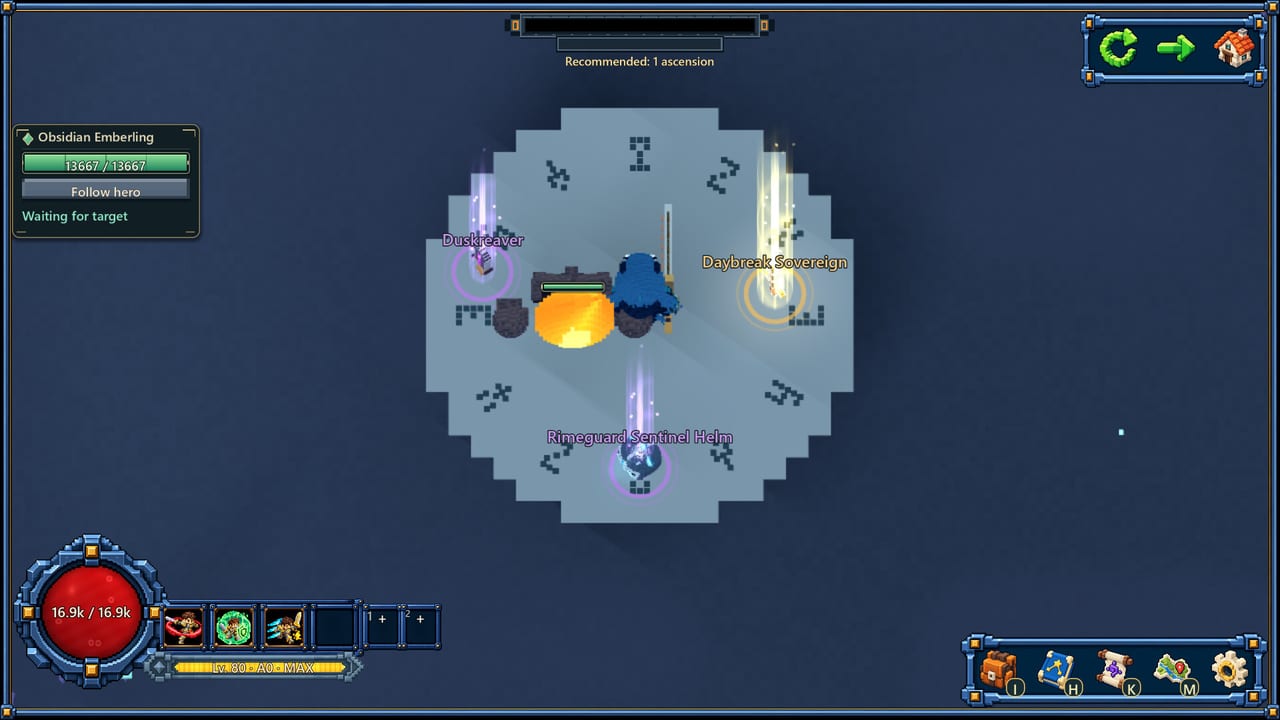
Inventory discipline is the quiet skill that decides whether Mini Legends Idle feels rewarding or clogged. Reysher Games built a free-to-play voxel idle RPG where auto-combat rains weapons, armor, and materials into your bag while you manage zones, the forge, spellbooks, and potion automation. If you never sort loot, the bag fills, keepers hide beside junk, and overnight farms stall for stupid reasons. This guide teaches inventory hygiene for Steam launch week without inventing systems the client does not show.
Why loot management matters in an idle RPG
Automatic combat does not pause while you debate every white drop. Zones keep producing gold and equipment whether you are watching or not. That is the fantasy — and the trap. Unsorted inventories create three problems: you miss armor passives worth keeping, you feed the forge with temporary pieces, and you run out of bag space during long AFK sessions. Treat inventory like a second progression system beside zone progression.
Keeper versus scrap: a simple definition
A keeper is a weapon or armor piece you expect to wear across multiple zones or to invest at the forge. A scrap candidate is anything you equip briefly, sell, or stash only until a better drop arrives. Launch-week keepers usually share these traits:
- A weapon family that matches how you like to clear — swords, axes, scythes, or katanas
- An armor passive you can explain in one sentence
- Enough raw power that the next farm bracket will not replace it immediately
- Synergy with the spellbooks and potion plan you already run
Everything else can still sit in a slot. It should not drink deep forge investment. Cross-check candidates against the weapon tier list, armor tier list, and builds before you commit gold.
Rarity traps to avoid
Rarity tags sell excitement. They do not automatically sell efficiency. A prettier rarity with a useless passive often loses to a plainer piece that actually helps the zone you farm tonight. Common traps include:
- Upgrading the first epic because it looks finished
- Hoarding every rare “just in case” until the bag is unreadable
- Ignoring a strong mid-rarity sword because a katana with worse numbers just dropped
- Assuming Steam Community Market trading will bail you out tomorrow — trading is planned and not live yet
When in doubt, measure clear speed for a few minutes after equipping a candidate. Feel beats rarity labels.
Feeding the forge without starving the bag
The forge turns chosen keepers into lasting power. Inventory’s job is to present those keepers clearly and to free materials and gold for intentional upgrades. Before each forge visit:
- Sell or discard obvious scrap.
- Mark one weapon keeper and one armor keeper for this session.
- Move materials you need into an easy-to-see group.
- Spend only the budget you planned on Farming Priorities.
- Re-test the current zone after the upgrade.
Deep detail lives in Forge and Upgrades. Inventory hygiene is what makes that guide usable under time pressure.
Bag space during AFK and overnight runs
Idle games punish full bags. If auto-combat cannot store drops, you waste the hours you meant to farm. Before you leave the desktop companion-style session running:
- Clear junk until you have comfortable free slots
- Confirm potion stock on the quick bar so deaths do not snowball
- Park in a zone you can clear safely, not a vanity push stage
- Prefer farms that produce the materials or weapon families you still need
Pair this page with AFK Farming when you set overnight routes. Inventory prep is half of a safe AFK plan.
Session loop for loot hygiene
Use this loop after every meaningful play block:
- Skim new weapons and armor for passives and weapon families.
- Equip anything strictly better for the current farm.
- Tag keepers mentally; scrap the rest.
- Visit the forge only if a keeper upgrade is funded.
- Leave free bag space before the next AFK stretch.
New players should also run the Beginner Checklist so inventory cleanup becomes habit instead of a crisis response.
Reading the gameplay trailer with inventory eyes
The official gameplay trailer embedded here shows the fantasy of constant combat and loot. Enjoy the presentation, then remember that every drop on screen eventually demands a decision. Trailers sell motion; this page protects your bag.
How inventory connects to the rest of the wiki
- How to Play — core loop context
- Getting Started — first-hour habits
- Forge and Upgrades — spending rules
- Zone Progression — where loot comes from
- AFK Farming — overnight bag safety
- Farming Priorities — tonight’s goal before you sort
Mini Legends Idle rewards players who treat loot as information, not clutter. Keep the bag readable, feed only keepers to the forge, and your Steam hours compound instead of stalling on full inventory screens.
Frequently Asked Questions
Quick answers to the most common questions.
Should I keep every rare or epic drop in Mini Legends Idle?
No. Keep pieces that match your farm and build. Scrap or sell the rest so bag space and forge gold stay focused.
What is a keeper item?
A keeper is gear you expect to wear across multiple zones or to upgrade at the forge. Temporary drops can be equipped without deep investment.
Why does bag space matter for AFK farming?
Full inventories waste overnight drops. Clear junk before long sessions and park in a safe zone — see AFK Farming.
Can I sell extras on the Steam Community Market?
Not yet. Market trading is planned and not available at launch. Progress through drops, scrap sales in-game, and the forge.